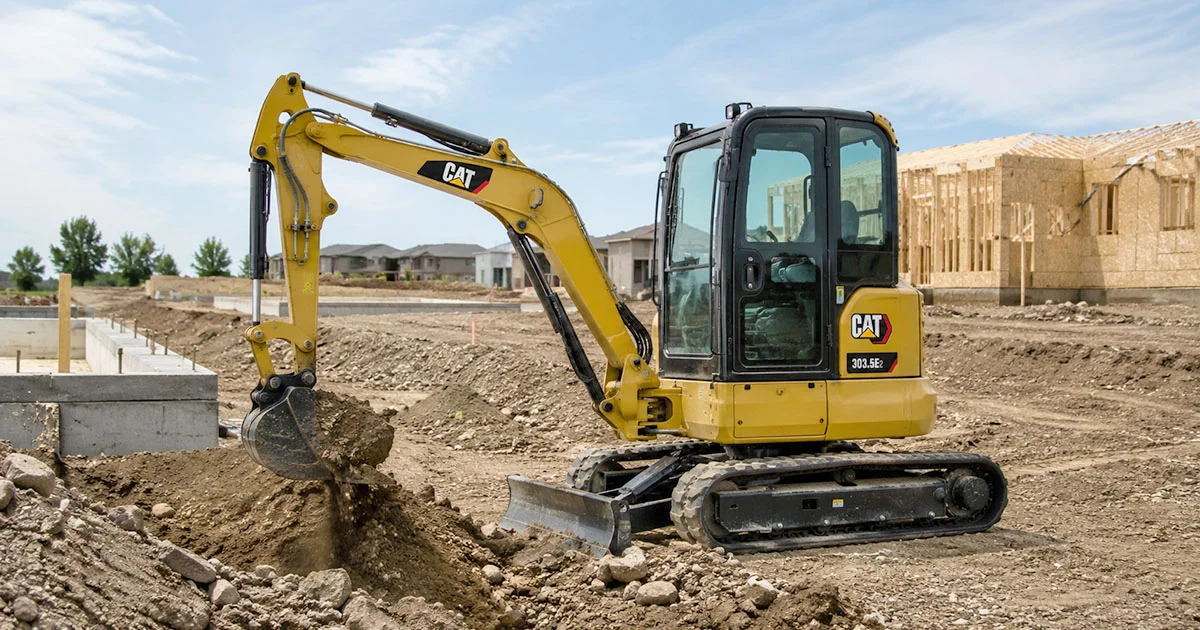
When buying a mini excavator, prioritise engine power, digging depth, hydraulic performance, cab comfort, and after-sales support. For buyers in Africa and the Caribbean, sourcing machinery for sale from trusted suppliers like Machinery Hub Japan also consider fuel efficiency, parts availability, and suitability for local terrain.
Buying a mini excavator is a significant investment—and getting it wrong can cost you far more than just money. The wrong machine on the wrong job site leads to downtime, expensive repairs, and projects that drag on well past deadline.
Across growing markets in Africa and the Caribbean—including Jamaica, Guyana, Zambia, Ghana, and Nigeria—demand for reliable, affordable mini excavators for sale has surged. Construction, agriculture, drainage, and infrastructure projects are booming. Contractors and businesses need compact, versatile machinery that can handle varied terrain, humid climates, and demanding workloads without constant trips to the mechanic.
Whether you're sourcing used Japanese machinery through Machinery Hub Japan or comparing new models from brands like Caterpillar and Hitachi, this guide walks you through the features that matter most before you commit to a purchase.
What engine power and performance specs should you look for in a mini excavator?
Engine performance is the foundation of everything a mini excavator does. For most light-to-medium construction tasks—trenching, landscaping, utility work—you'll want a machine with between 13 and 50 horsepower. The right number depends on your typical workload.
In markets like Nigeria and Ghana, where excavators are often used for site clearing and drainage on uneven ground, machines with higher torque at lower RPM tend to perform better. Look for:
- Engine brand reliability: Yanmar, Kubota, and Mitsubishi engines—commonly found in Hitachi and Caterpillar mini excavators—are widely regarded for durability and fuel efficiency.
- Fuel consumption: Diesel efficiency matters enormously in regions where fuel costs are high or supply is inconsistent.
- Emissions compliance: Some used machinery for sale may not meet current emissions standards. Verify this if importing.
How do digging depth and bucket capacity affect performance?
Digging depth determines what jobs your machine can actually do. Most mini excavators offer a digging depth between 1.5 and 4 metres. For drainage projects in Jamaica or Guyana, or utility trenching in Zambia, a depth of at least 2.5 metres is usually the practical minimum.
Bucket capacity—measured in cubic metres—dictates how much material you move per cycle. A larger bucket speeds up work but requires more hydraulic power to operate efficiently. Match the bucket size to your engine output, not just your ambitions.
Also, check the maximum reach. On confined urban sites common across West African cities like Accra and Lagos, a longer horizontal reach gives you flexibility without repositioning the machine constantly.
What hydraulic system features should buyers prioritise?
The hydraulic system is what makes a mini excavator responsive, precise, and genuinely useful on complex jobs. A weak or sluggish hydraulic setup will frustrate operators and slow productivity.
Key hydraulic features to assess:
- Dual-pump or load-sensing systems: These allow multiple attachments to operate simultaneously without pressure drops—critical if you plan to use a breaker, auger, or tiltrotator alongside the bucket.
- Hydraulic flow rate: Higher flow (measured in litres per minute) supports more powerful attachments.
- Auxiliary hydraulic lines: Confirm the machine has auxiliary ports if you intend to run specialist attachments. Many used mini excavators for sale are available with or without this feature, so clarify before purchasing.
Machinery Hub Japan's stock of used Japanese excavators—brands including Hitachi, Komatsu, and Yanmar—typically includes machines with well-maintained hydraulic systems, which is one reason Japanese used machinery commands strong resale value across Africa and the Caribbean.
Why does operating weight and machine size matter for your job site?
Mini excavators are defined partly by their compact footprint, but size still varies considerably within the category. Machines range from under 1,000 kg to over 8,000 kg.
For tight urban sites in Kingston, Jamaica, or Port of Spain, Trinidad, a 1.5–3 tonne machine offers the best balance of manoeuvrability and digging power. On larger rural projects in Zambia or Nigeria, a 5–8 tonne unit may be more productive.
Tail swing is equally important. Zero or reduced tail-swing models are designed to rotate without the counterweight extending beyond the tracks—an essential feature when working close to walls, fences, or roads.
What should you check regarding cab comfort and operator controls?
Operator comfort directly affects productivity. An uncomfortable cab leads to fatigue, and fatigue leads to mistakes. When reviewing mini excavators for sale, pay close attention to:
- ROPS/FOPS certification: This confirms the cab meets international rollover and falling-object protection standards—non-negotiable on serious job sites.
- Climate control or ventilation: Critical in tropical climates across the Caribbean and sub-Saharan Africa.
- Control layout: Modern excavators from Caterpillar and Hitachi feature intuitive joystick controls with pattern-changeable hydraulics. Ensure the controls suit your operators' experience level.
- Visibility: A well-positioned cab with clear sightlines reduces accidents and improves precision, particularly on confined sites.
How important is parts availability and after-sales support when buying machinery in Africa or the Caribbean?
This is where many buyers make a costly mistake. A machine is only useful when it's running. In markets where local dealership networks are limited—as is often the case in Guyana or Zambia—parts availability can mean the difference between a two-day repair and a two-month standstill.
Japanese mini excavators sourced through suppliers like Machinery Hub Japan hold a practical advantage here. Brands like Hitachi, Komatsu, and Yanmar have established parts networks across Africa and the Caribbean, and the global supply of used Japanese parts is extensive and relatively affordable.
Before purchasing any machinery for sale, ask:
- Is this brand supported locally?
- Are spare parts readily available or importable within a reasonable timeframe?
- Does the supplier offer a warranty or service history documentation?
Which mini excavator brands are best suited for buyers in Africa and the Caribbean?
Caterpillar (CAT): Known for robust build quality and excellent dealer support. CAT mini excavators perform reliably in high-temperature, high-humidity conditions—a strong fit for West Africa and the Caribbean.
Hitachi: A consistently popular choice across African markets. Hitachi mini excavators are praised for their hydraulic precision, durability, and strong resale value.
Komatsu: Well-regarded for fuel efficiency and advanced load-sensing hydraulics. Komatsu machines are a sound long-term investment, particularly for buyers in Nigeria and Ghana.
Yanmar: Compact, lightweight, and fuel-efficient. Yanmar excavators suit smaller-scale projects and tighter budgets without sacrificing reliability.
Making the Right Call Before You Buy
The best mini excavator for your operation isn't necessarily the most powerful or the cheapest—it's the one that fits your job type, terrain, climate, and support infrastructure.
For buyers across Jamaica, Guyana, Zambia, Ghana, and Nigeria, sourcing machinery for sale through a specialist supplier like Machinery Hub Japan offers a practical path to quality used Japanese equipment with verified service histories. Compare engine specs, digging depth, hydraulic output, and parts support before signing anything.
A well-chosen mini excavator will work hard for a decade or more. Take the time to choose it carefully.
Frequently Asked Questions
What is the best mini excavator brand for buyers in Africa?
Hitachi, Caterpillar, and Komatsu are the most widely recommended brands for African markets. All three offer reliable performance in high-temperature climates, and spare parts are generally accessible across Nigeria, Ghana, and Zambia.
What size mini excavator do I need for general construction work?
For most light-to-medium construction, drainage, or utility work, a 1.5 to 5 tonne mini excavator is sufficient. Larger jobs may require a machine in the 5–8 tonne range.
Why should I consider buying used Japanese mini excavators for sale?
Used Japanese machinery—particularly from suppliers like Machinery Hub Japan—is known for high build quality, low operating hours, and thorough maintenance records. These machines typically offer strong value for money compared to new equipment.
Are mini excavators for sale in the Caribbean suitable for local terrain?
Yes, provided you select a machine with appropriate ground clearance, rubber tracks (for softer or paved surfaces), and a cab designed for humid, tropical conditions. Models from Hitachi and Caterpillar are particularly well-suited.
What documents should I request when buying used machinery for sale?
Always request the machine's service history, hour meter reading, inspection report, and any available warranty. For imported used Japanese machinery, ask for the export certificate and relevant customs documentation.